 English
 Nederlands
Beata Bruggeman-Sekowska
“We are not fascinated by the Polish People’s Republic, nor are we trying to recreate it. We are telling the story of people who, living in a world of permanent shortages and restrictions, had to find ways of responding to that reality. The music presented in the exhibition ‘What Are We Queuing Here for?’ is both a lens and a mirror, since it allows us to look at more than four decades of Polish history through emotions, everyday life, and the diversity of human attitudes.” Lead Curator Krzysztof Banach
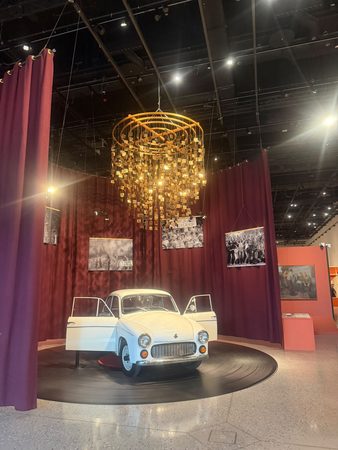
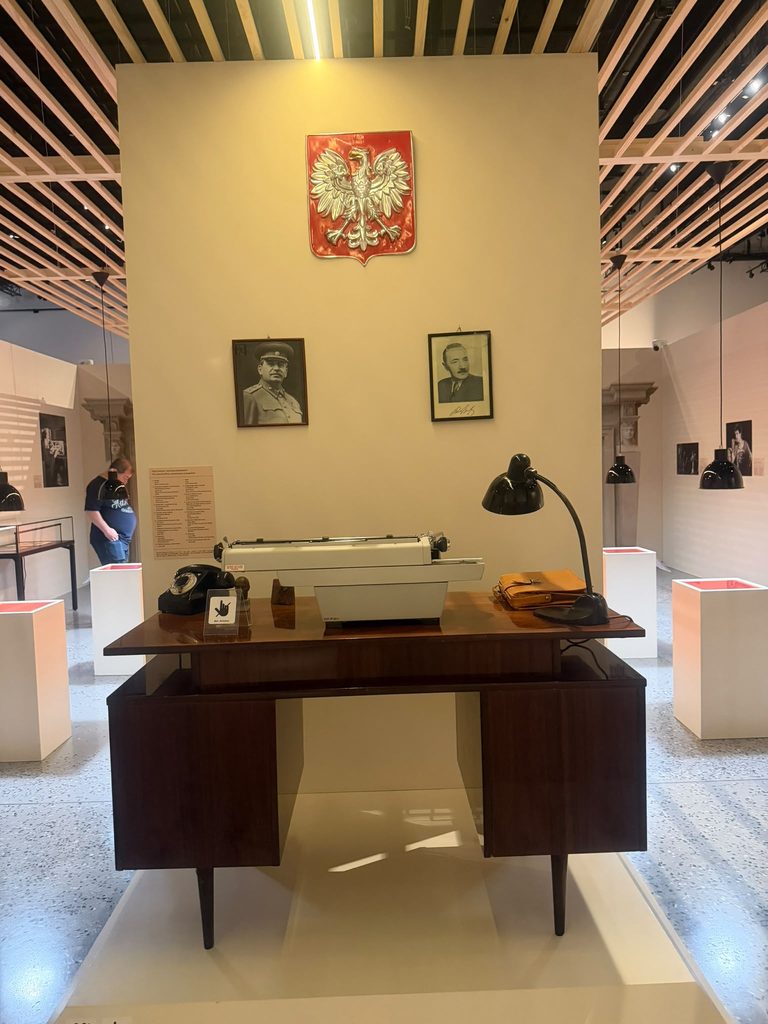
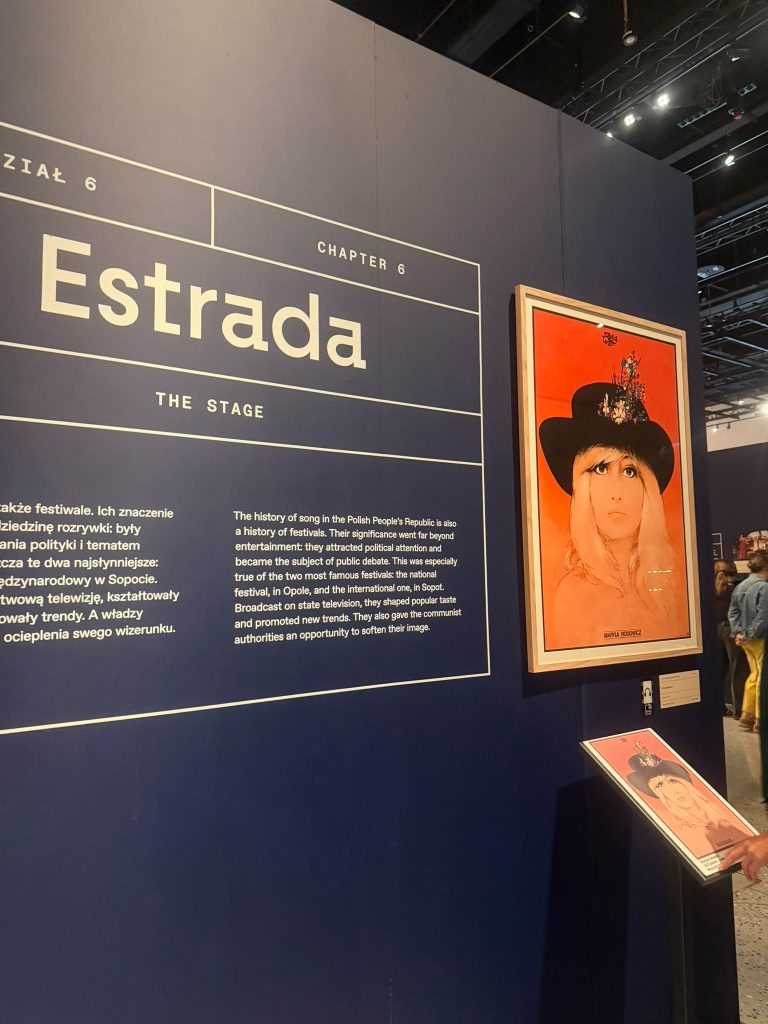
‘’What Are We Queuing Here For? The Polish People’s Republic Through the Mirror of Music”, an exposition held by the Polish History Museum in Warsaw, one of the city’s newest major museum institutions, has much more to offer than just an intriguing title. Occupying approximately 1,200 square meters it contains communist period related artifacts, recorded testimonies from musicians, journalists and fans, prepared especially for the exhibition, belongings of performers, items from private collections, music recordings and film footage presented in their social and political context and adding personal perspectives to the historical narrative.
© Beata Bruggeman-Sekowska
© Beata Bruggeman-Sekowska
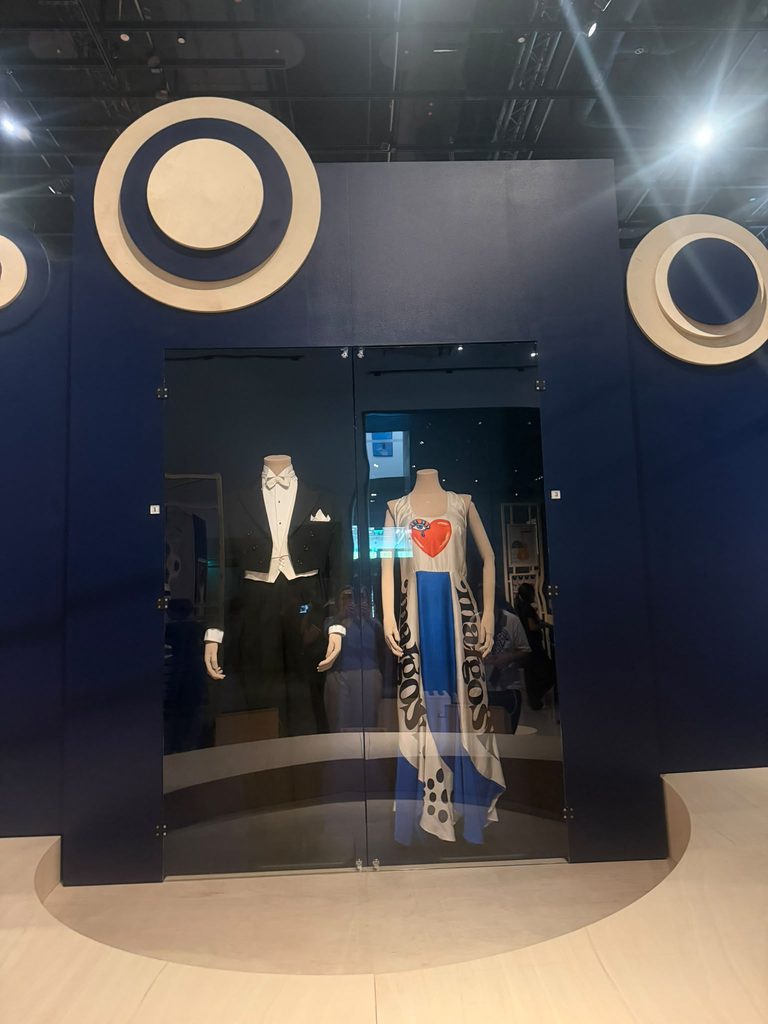
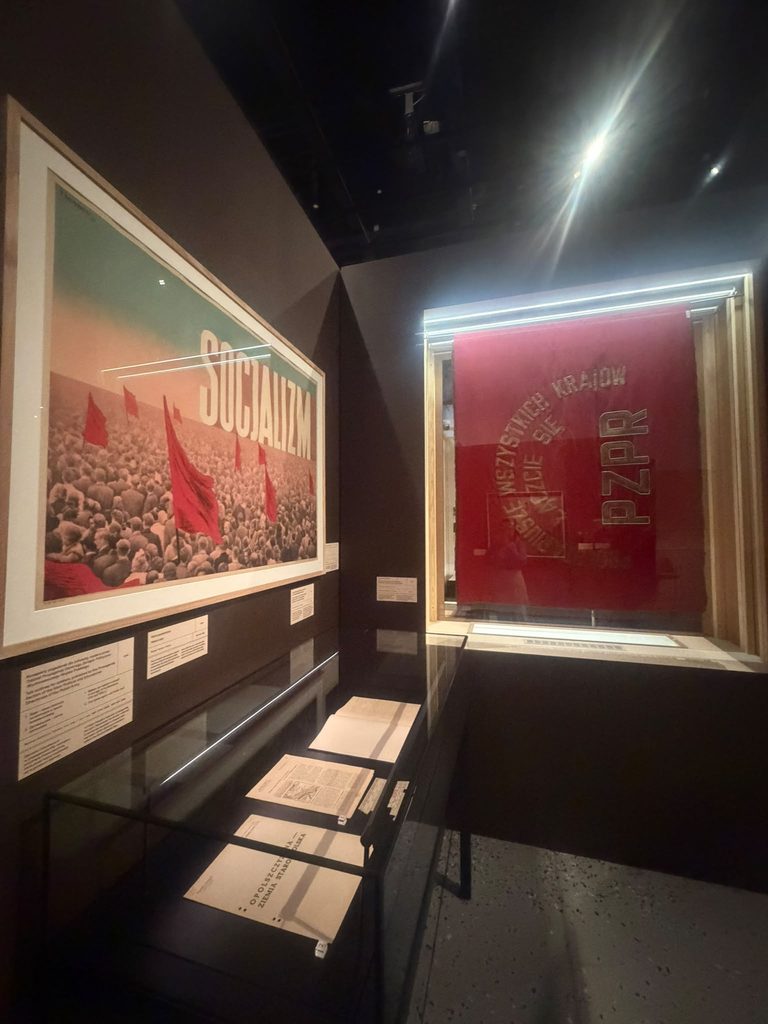
It offers an unique perspective on life in communist Poland between 1944 and 1989, exploring the country’s history through the music that accompanied several generations of Poles. Music was much more than just entertainment in the Polish People’s Republic, (commonly known by its Polish abbreviation, PRL). It served as a vehicle for propaganda, a source of comfort and nostalgia, a means of expressing personal feelings, opposition, ideas that could not be expressed openly. The last forms were huge challenges for artists working under censorship, a system that restricted freedom of speech and artistic expression. Besides censorship and political expectations, artists had to navigate within economic limitations, social conformity and the demands of their audiences. Complex circumstances which also sadly led to lost potential. The exhibition reveals just how closely music was intertwined with the everyday lives, hopes and frustrations of people living under the communist regime.
© Beata Bruggeman-Sekowska
© Beata Bruggeman-Sekowska
A particularly interesting part of the story is the development of youth music, which evolved and brought together musicians and audiences. They created communities, subcultures that frequently extended beyond the limits imposed by the state and communist system. Music gave young people a sense of identity and belonging to a different reality. It connected them through shared tastes, attitudes and aspirations, creating spaces of relative independence from official ideology. New sounds, fashions and forms of expression became ways of expressing individuality in a society where conformity was often encouraged.
© Beata Bruggeman-Sekowska
© Beata Bruggeman-Sekowska
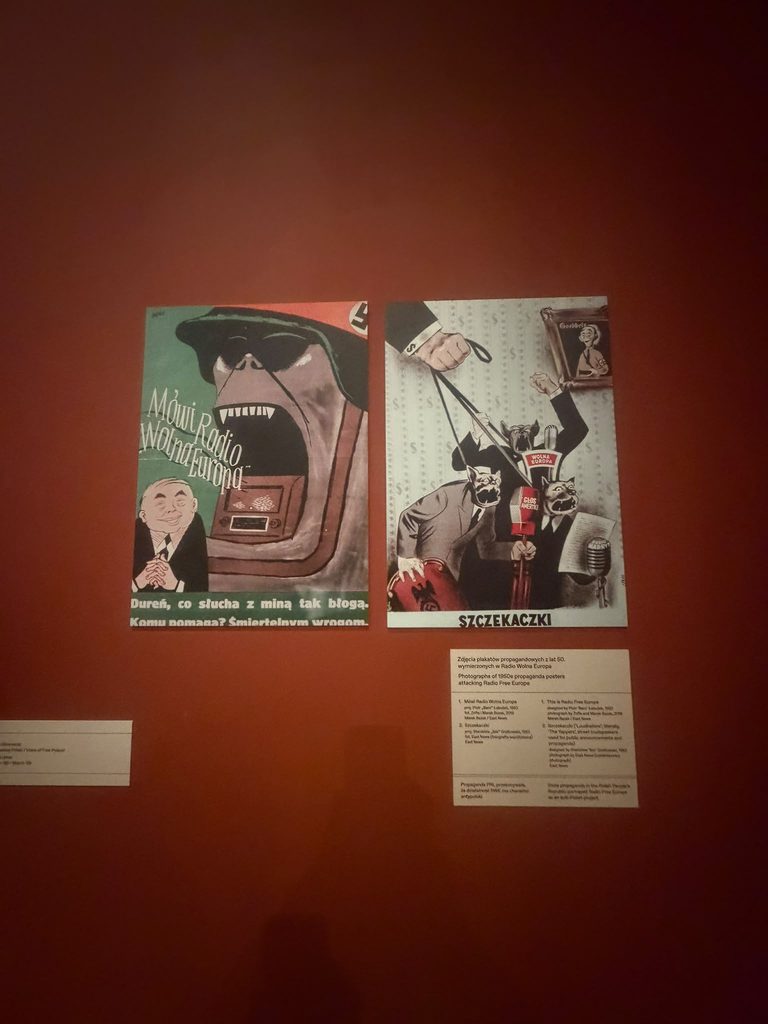
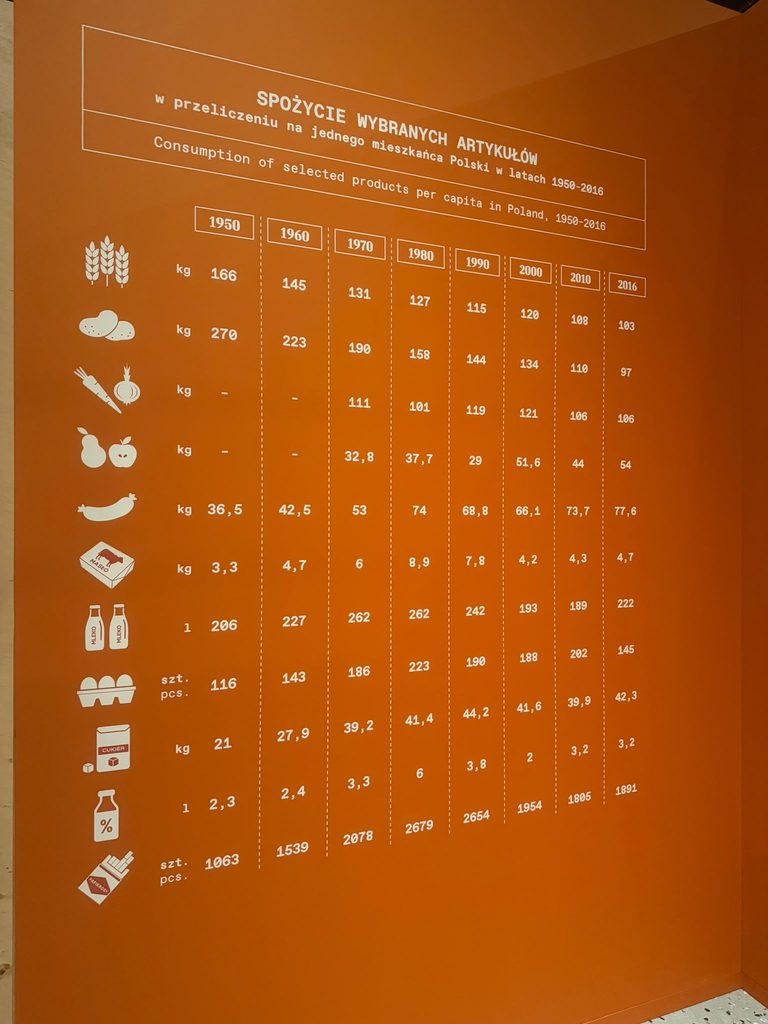
The exhibition also explores various aspects of everyday life under communism, going beyond music to show how people lived and coped with daily challenges. Photographs, banners, everyday objects and video footage bring this reality to life, illustrating such issues as food shortages and rationing, the queues that became a familiar feature of daily life, strictly forbidden broadcasts by Radio Luxembourg and Radio Free Europe or living conditions in the uniformed apartment blocks built during the communist era.
The exhibition is also accompanied by a varied program of activities, including educational workshops, film screenings, fashion events, cultural and recreational activities, guided tours, debates, lectures and themed walks.
For those who remember communist Poland, the exhibition may evoke personal memories of performers, records, concerts and everyday life. For younger visitors and international travelers, it offers an accessible introduction to the communist period in Poland, showing dilemmas, challenges, frustrations and limitations of artists as well as regular citizens of Poland in the totalitarian period.
© Beata Bruggeman-Sekowska
The Polish History Museum: a setting steeped in history
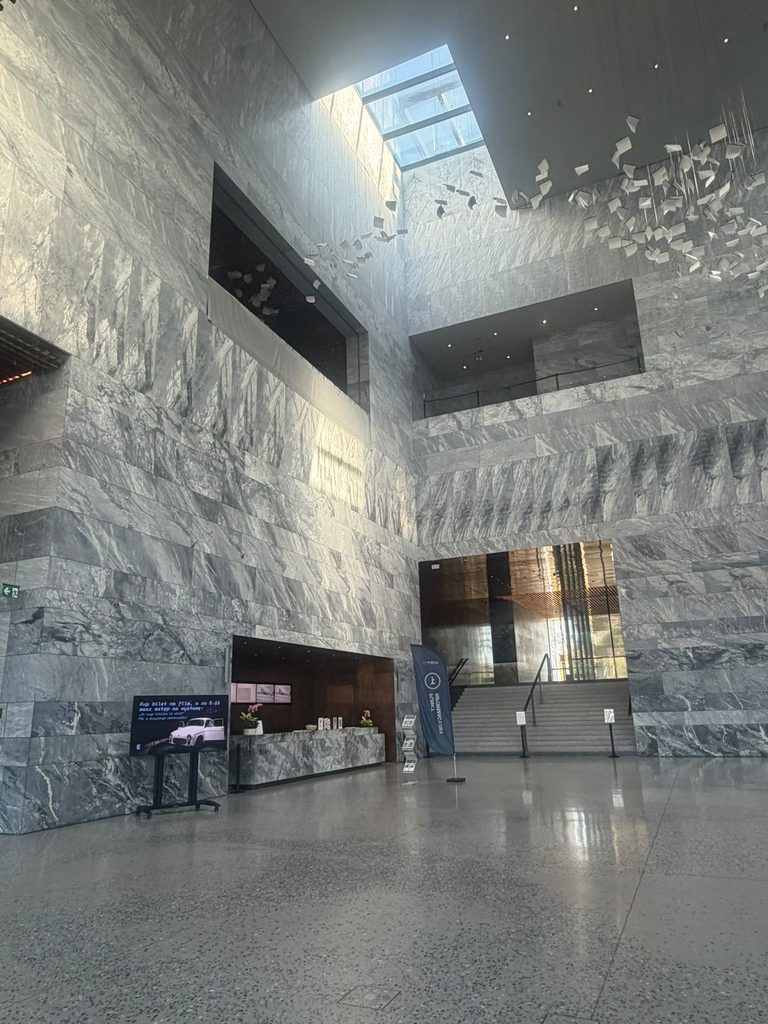
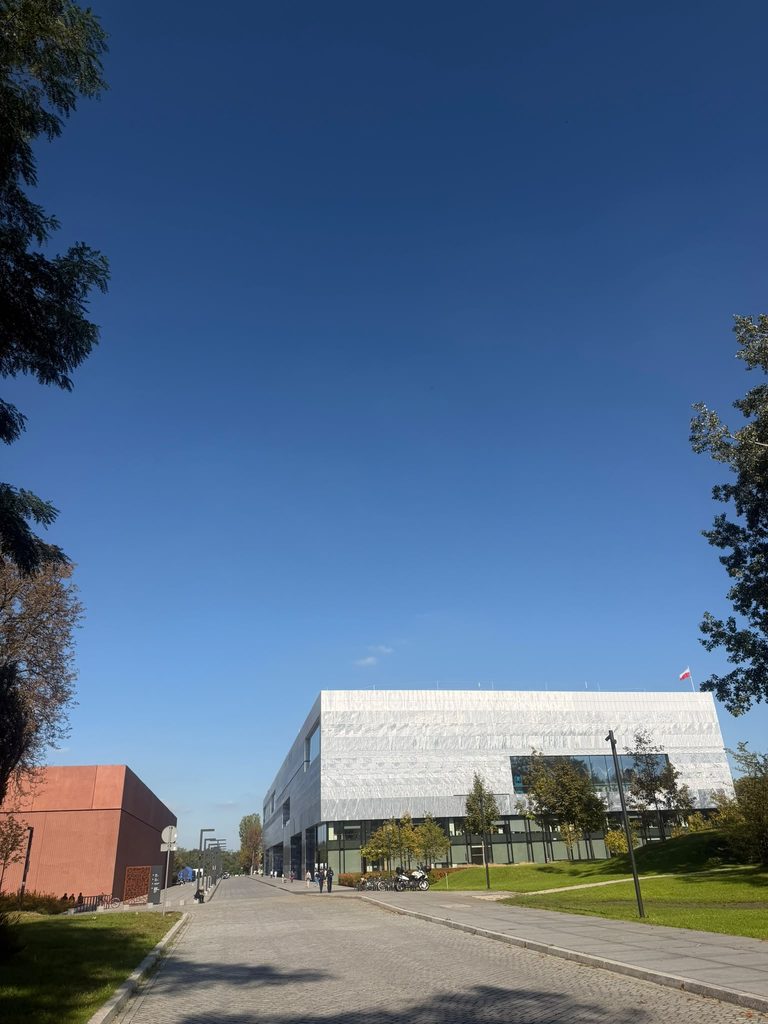
The location gives an additional dimension. The Polish History Museum is situated at the Warsaw Citadel, at Gwardii 1, a nineteenth-century fortress built between 1832 and 1834 following the defeat of the November Uprising against Russian rule.
The citadel subsequently became a symbol of imperial control over Warsaw. It served as a military stronghold, a place of detention and interrogation and a site of executions of Polish independence activists and revolutionaries. Today, the complex is home to several museums, including the Polish Army Museum, the Katyń Museum and the Museum of the Tenth Pavilion of the Warsaw Citadel.
© Beata Bruggeman-Sekowska
The Polish History Museum itself is a major cultural institution dedicated to presenting more than a thousand years of the history of the Polish state and nation. Its permanent exhibition, still under development, is planned to open in 2027 and cover approximately 8,000 square metres and feature around 3,600 museum objects, alongside historical reproductions, multimedia presentations, scenography and artistic installations.
A central theme will be the history of freedom: the development of Polish parliamentary traditions, constitutional and republican ideas, the struggle to preserve and regain independence, and the experience of confronting totalitarian regimes. The museum building also houses educational facilities, a cinema and theatre hall, a conference room, a library and visitor amenities. An observation terrace on the roof offers impressive views across Warsaw.
The contrast between the citadel’s past as an instrument of repression and the museum’s mission to explore Poland’s long struggle for freedom is particularly striking. In this setting, an exhibition about music under communism becomes part of a much broader story about the relationship between power, society and individual expression.
Visitor information:
Venue: Polish History Museum, ul. Gwardii 1, 01-538 Warsaw, Poland
Dates: 3 September – 6 December 2026
Website: https://muzhp.pl/en
Online collection: https://artsandculture.google.com/partner/polish-history-museum?hl=en
The exhibition is scheduled to close on 6 December 2026
Source: https://muzhp.pl/en/articles/the-exhibition-what-are-we-queuing-here-for-is-open
Photos: © Beata Bruggeman-Sekowska



Follow Us!