

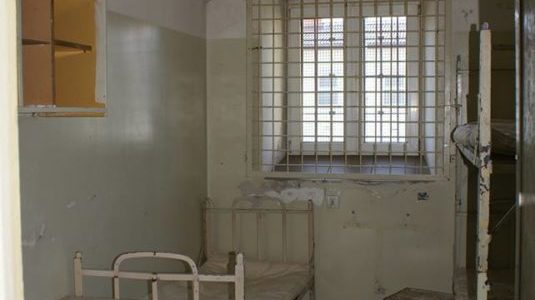
Rittmeister Witold Pilecki, a Polish Army officer and intelligence agent during WWII, the author of “Witold’s Report”, the first comprehensive Allied intelligence report on Auschwitz concentration camp and the Holocaust. General Emil Fieldorf “Nil”, Deputy Commander-in-Chief of the Armia Krajowa (“Home Army”). Bolesław Kontrym, a Polish Army officer, a Home Army soldier, participant in the […]
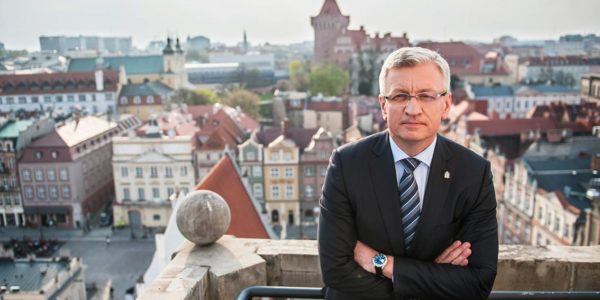
Mr Jacek Jaśkowiak, mayor of Poznań prepared an exclusive statement for EIOCO on the 65th anniversary of Poznań uprising. By Beata Bruggeman-Sekowska Statement of the Mayor of Poznań Mr Jacek Jaśkowiak On June 28, 1956, the road to freedom began in Poznań. Workers from Poznań factories took to the streets […]
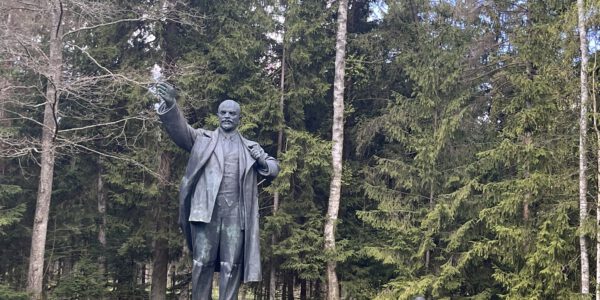
Patrick van Schie A century ago, on January 21, 1924, Vladimir Ilyich Ulyanov, better known as Lenin, died. His embalmed body still lies in the mausoleum on Red Square in Moscow. Communists still revere him; and not just the elderly. The British Marxist Student Federation (MSF), for example, states on its site: “Lenin was without […]
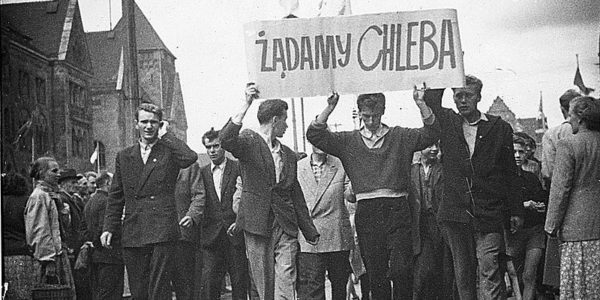
By Beata Bruggeman-Sekowska 65 years ago on the 28 June of 1956, at 6 a.m. Poznań ( city in the western part of Poland) riots started at the multifactory complex of Joseph’s Stalin’s (or ‘Cegielski’s) Metal Industries. Approximately 100,000 people gathered in the city centre near the local Ministry of Public Security building demanding better […]
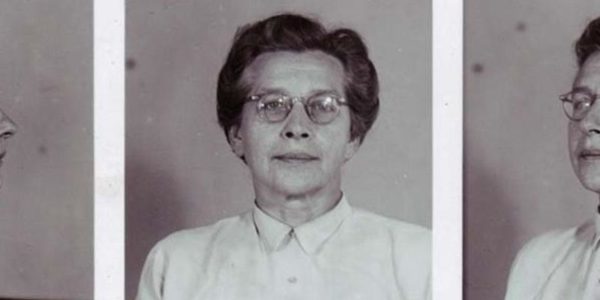
By Beata Bruggeman-Sekowska Milada Horáková was a lawyer, politician who was convicted on fabricated charges of conspiracy and treason and murdered by communists in the communist Czechoslovakia on June 27 1950 by hanging at the age of 48. She died after being strangled for more than 13 minutes. Her remains were never found. Many […]
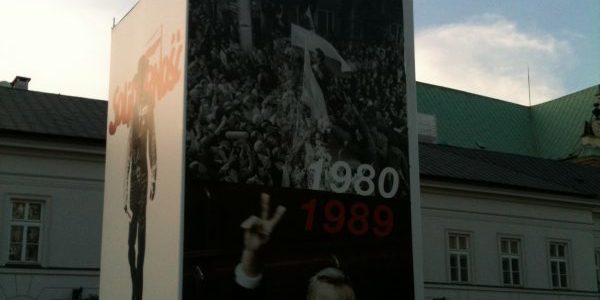
Beata Bruggeman-Sekowska During the parliamentary elections on the 4th of June 1989 Polish people voted on the Citizens’Committee, an opposition group around Lech Wałęsa, which led to the end of communism in Poland. This in turn led to the wave of changes across Central and Eastern Europe. These were the first elections in Poland […]
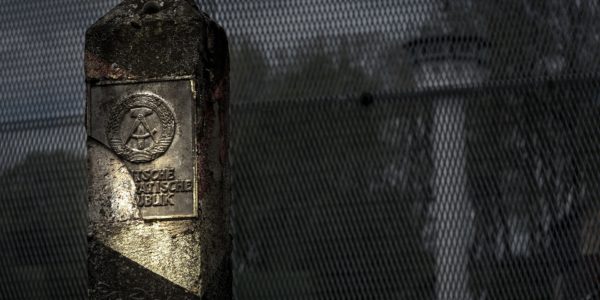
In 1891, Eugen Richter predicted what the GDR would look like more than half a century later Patrick van Schie Karl Marx and his followers dissected “capitalist” society (in their own way) and predicted the revolution, but Marx and his followers remained vague about what post-revolution “socialist” society would look like. One of […]
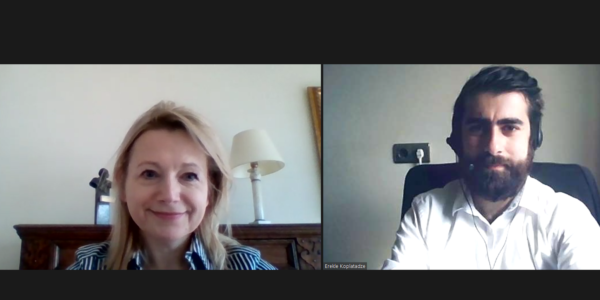
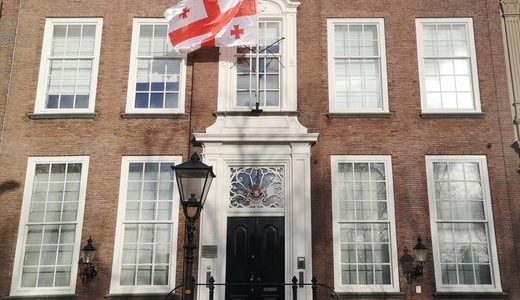
On April 19 EIOCO had an online meeting with the Embassy of Georgia in the Hague. Ms Beata Bruggeman-Sekowska discussed with Mr. Erekle Koplatadze – Communications Officer of the Embassy future joint projects on various niveaus in order to promote the knowledge about communism in the Netherlands.
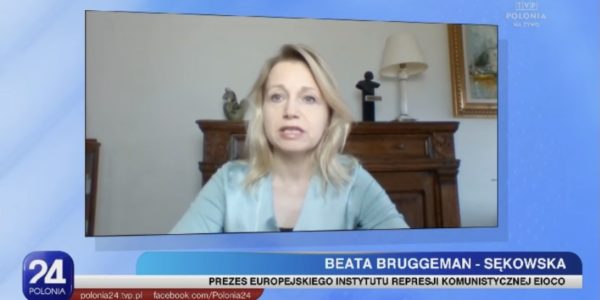
On March 18 Beata Bruggeman-Sekowska, president of EIOCO, was interviewed by Polish news broadcasting internationally. She elaborated on the vision, purpose and the activities of our Institute. She explained that the knowledge about communism is often not correct in western Europe and that various stereotypes are perpetuated which shed the wrong light on this issue. […]
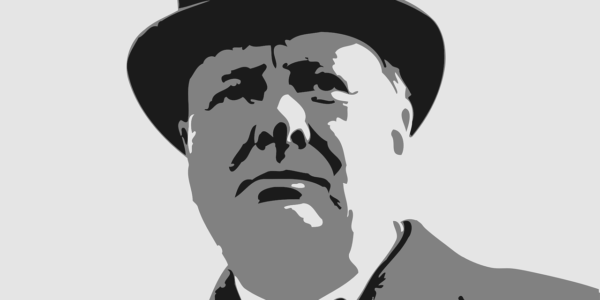
By Patrick van Schie On March 5, 1946, Winston Churchill gave a speech in Fulton, a city in Missouri, USA. The British war leader, Prime Minister until more than six months earlier, received an honorary doctorate from Westminster College in Fulton. He began his speech in a Churchillian way by saying that […]
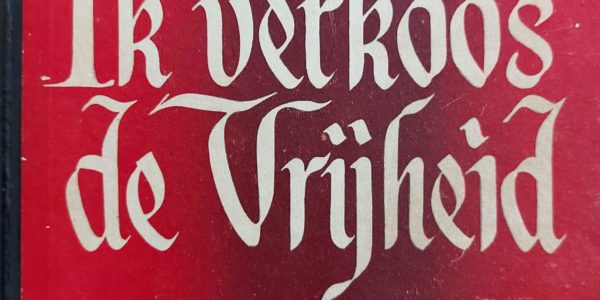
Disclosures by an Experience Expert in 1946-47: Victor Kravchenko’s I Chose Freedom By Patrick van Schie In April 1944, a senior official from the Soviet Union’s “trade delegation” defected to the United States. Victor Kravchenko, an engineer, was tasked with Lend Lease deliveries during World War II to the Soviet Union – that […]
Beata Bruggeman-Sękowska 100 years ago, on February 25th of 1921, the Soviet 11th Red Army entered Tbilisi, Georgia. February 25th, thus, went down in Georgia’s history as one of the most tragic dates – the Day when Georgia was ‘Sovietised’. Despite the heroic sacrifice of the Georgian people, in 1921 the First Democratic Republic […]
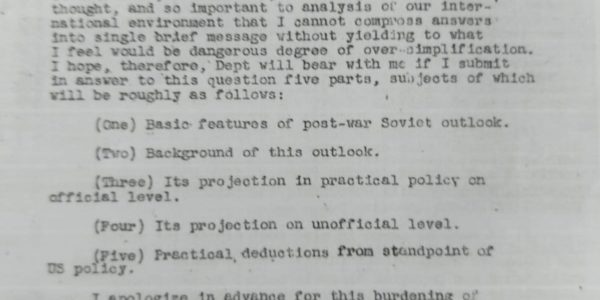
By Patrick van Schie On February 22, 1946, a telegram arrived from Moscow at the US State Department. The author, the second man at the US embassy, apologized in advance for using the telegraphic channel. The telegram was indeed unusually long: 17 sheets of paper typed out. It would also become unusually influential. The “Long […]
On Wednesday, 13 January, at 9.55 a.m., while commemorating the 30th anniversary of the defence of the restored independence of Lithuania, Lithuanian Seimas kindly invites you to watch a video recording of the celebration of the Day of the Defenders of Freedom and the Freedom Prize awarding ceremony. During the broadcast from the Seimas […]
 English
 Nederlands
Follow Us!