 English
 Nederlands
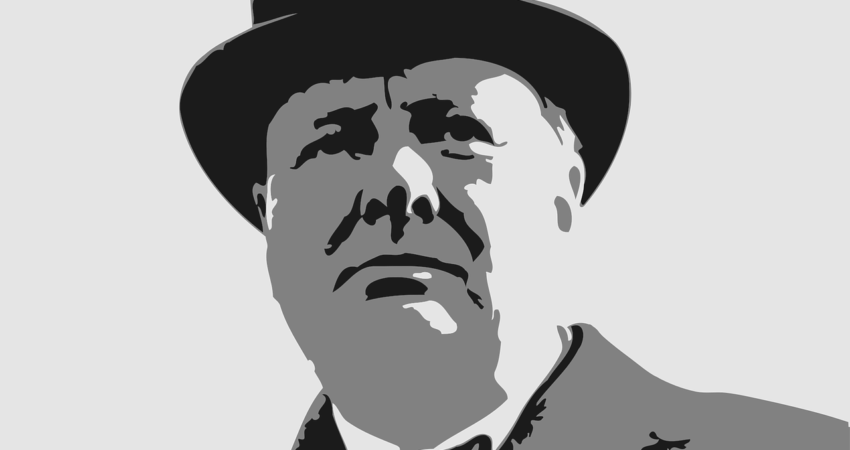
By Patrick van Schie On March 5, 1946, Winston Churchill gave a speech in Fulton, a city in Missouri, USA. The British war leader, Prime Minister until more than six months earlier, received an honorary doctorate from Westminster College in Fulton. He began his speech in a Churchillian way by saying that […]
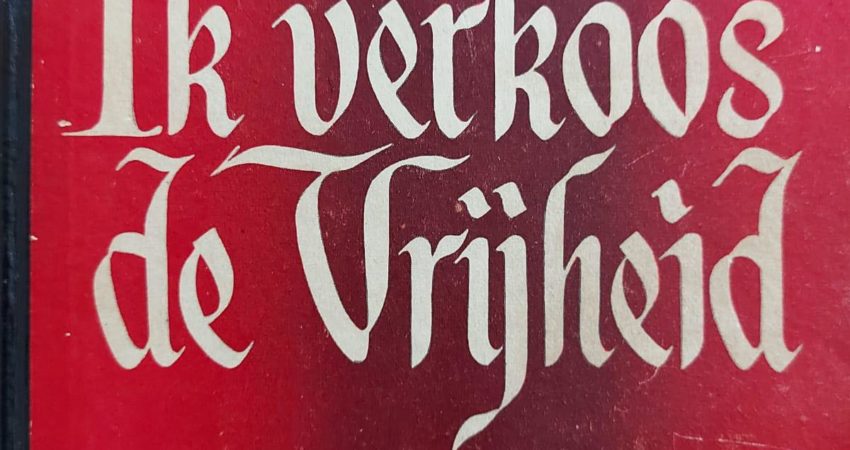
Disclosures by an Experience Expert in 1946-47: Victor Kravchenko’s I Chose Freedom By Patrick van Schie In April 1944, a senior official from the Soviet Union’s “trade delegation” defected to the United States. Victor Kravchenko, an engineer, was tasked with Lend Lease deliveries during World War II to the Soviet Union – that […]
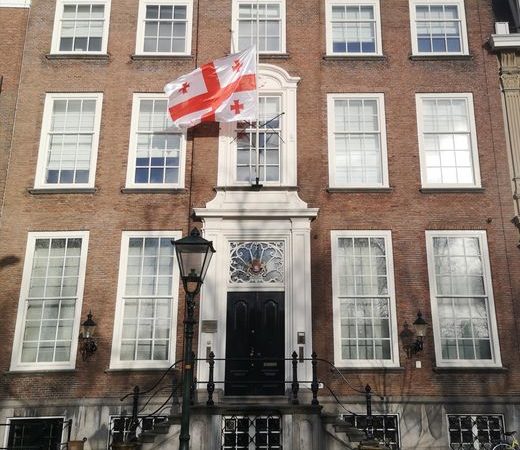
Beata Bruggeman-Sękowska 100 years ago, on February 25th of 1921, the Soviet 11th Red Army entered Tbilisi, Georgia. February 25th, thus, went down in Georgia’s history as one of the most tragic dates – the Day when Georgia was ‘Sovietised’. Despite the heroic sacrifice of the Georgian people, in 1921 the First Democratic Republic […]
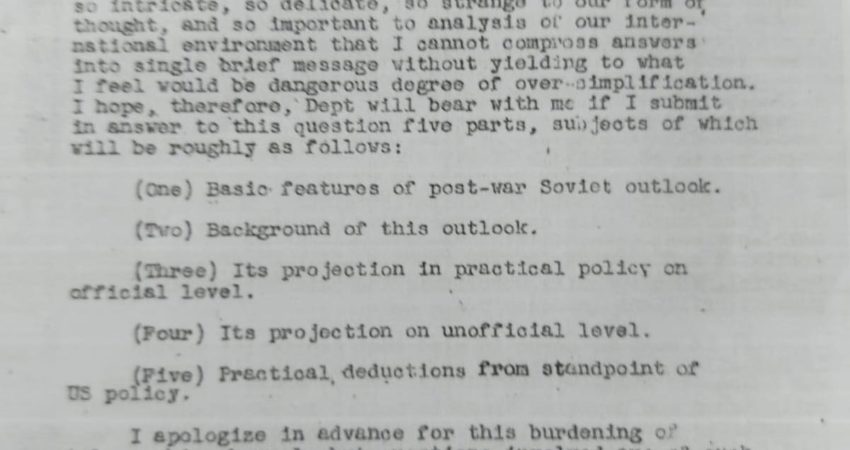
By Patrick van Schie On February 22, 1946, a telegram arrived from Moscow at the US State Department. The author, the second man at the US embassy, apologized in advance for using the telegraphic channel. The telegram was indeed unusually long: 17 sheets of paper typed out. It would also become unusually influential. The “Long […]
On Wednesday, 13 January, at 9.55 a.m., while commemorating the 30th anniversary of the defence of the restored independence of Lithuania, Lithuanian Seimas kindly invites you to watch a video recording of the celebration of the Day of the Defenders of Freedom and the Freedom Prize awarding ceremony. During the broadcast from the Seimas […]
Beata Bruggeman-Sekowska On the 13th of January victims of the Soviet military aggression of 1991 are commemorated. The candle, as symbol of the memory, today is lit across Lithuania and by the Lithuanian communities abroad. On 13 January 1991 armoured Soviet forces drove through peaceful crowd which gathered to protect the symbol of Lithuania’s […]
Review of: Raymond Aron, The Opium of the Intellectuals (1st publication in French, 1955) Patrick van Schie Nowhere in Western Europe have intellectuals been so fascinated by communism and the Soviet Union as in France. It was therefore appropriate that 65 years ago – in 1955, in the midst of the Cold War – […]
Beata Bruggeman-Sękowska On September 17 about 1 million troops of the Red Army crossed the eastern borders of Poland starting the red invasion of Poland. It was sixteen days after Nazi Germany invaded Poland from the west. The invasion ended on 6 October 1939 with the two-way division and annexation of the entire Second […]
Patrick van Schie Eighty years ago, at the end of 1940, Darkness at noon was published, translated from German. The writer, Arthur Koestler, was an old communist who had lost his illusions due to the Great Terror (1936-1938) in the Soviet Union. He wrote this off between 1938 and 1940, in a novel in […]
Beata Bruggeman-Sekowska When the Polish government under Edward Gierek introduced new food price increases in the summer of 1980 and Poland faced big international debt and shortages of supplies, a wave of labor unrest was stirred in the country. In July a series of strikes started in Lublin and on 14 August 1980 a […]
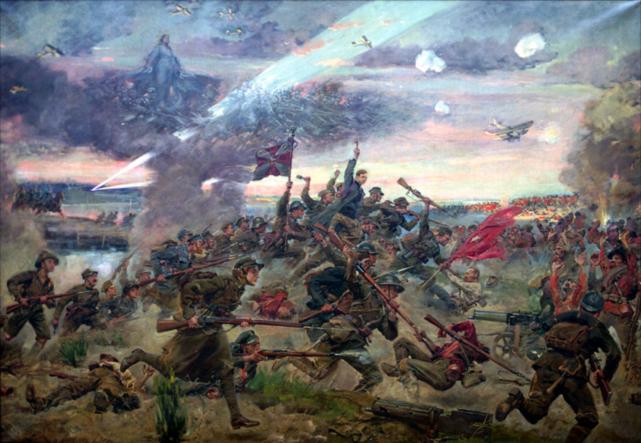
How the Poles saved Europe from the Red Army a century ago Patrick van Schie In Western Europe it is perhaps one of the least known battles of the twentieth century, yet one of the most important turning points: the battle of Warsaw in August 1920. Unexpectedly, the young republic of Poland defeated […]
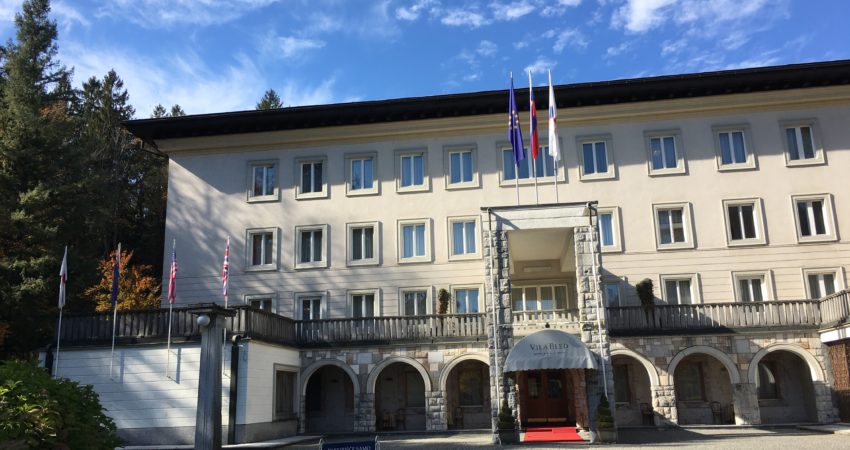
Beata Bruggeman-Sekowska In the Slovenian town of Bled you can visit a very interesting villa which serves now as a luxury hotel but it used to be a luxurious summer residence of communist President Josip Broz Tito. President Tito maintained a lavish lifestyle. Besides the Summer Residence in Bled he stayed in Belgrade, capital of […]


Follow Us!