

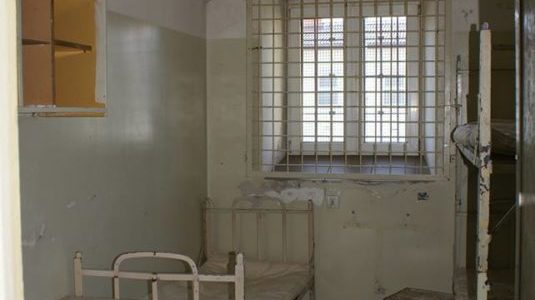
Rittmeister Witold Pilecki, a Polish Army officer and intelligence agent during WWII, the author of “Witold’s Report”, the first comprehensive Allied intelligence report on Auschwitz concentration camp and the Holocaust. General Emil Fieldorf “Nil”, Deputy Commander-in-Chief of the Armia Krajowa (“Home Army”). Bolesław Kontrym, a Polish Army officer, a Home Army soldier, participant in the […]
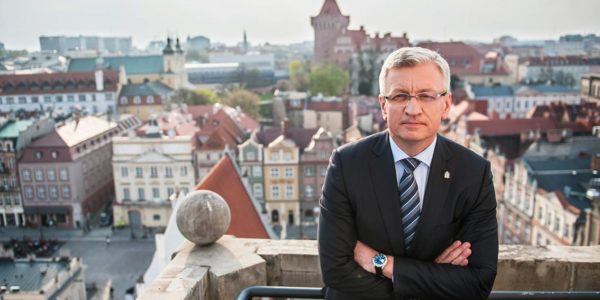
Mr Jacek Jaśkowiak, mayor of Poznań prepared an exclusive statement for EIOCO on the 65th anniversary of Poznań uprising. By Beata Bruggeman-Sekowska Statement of the Mayor of Poznań Mr Jacek Jaśkowiak On June 28, 1956, the road to freedom began in Poznań. Workers from Poznań factories took to the streets […]
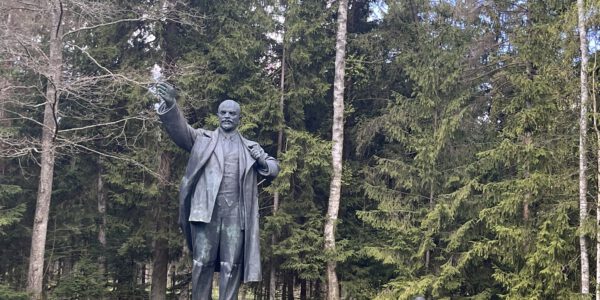
Patrick van Schie A century ago, on January 21, 1924, Vladimir Ilyich Ulyanov, better known as Lenin, died. His embalmed body still lies in the mausoleum on Red Square in Moscow. Communists still revere him; and not just the elderly. The British Marxist Student Federation (MSF), for example, states on its site: “Lenin was without […]

Beata Bruggeman-Sekowska On this day, 76 years ago, the Baltic nations endured one of the most harrowing events of the Soviet era. In a calculated attempt to suppress resistance and exert control over the occupied territories, the Soviet Union orchestrated the largest mass deportations in the region. Beginning on March 25, 1949, thousands of individuals-over […]

Beata Bruggeman-Sekowska In the heart of Warsaw, a unique institution is dedicated to saving a forgotten piece of history: neon signs. The Neon Museum is more than just an exhibition space—it’s a tribute to Cold War-era electro-graphic design and an effort to preserve the remnants of the state-driven ‘neonisation’ campaign that once illuminated the […]
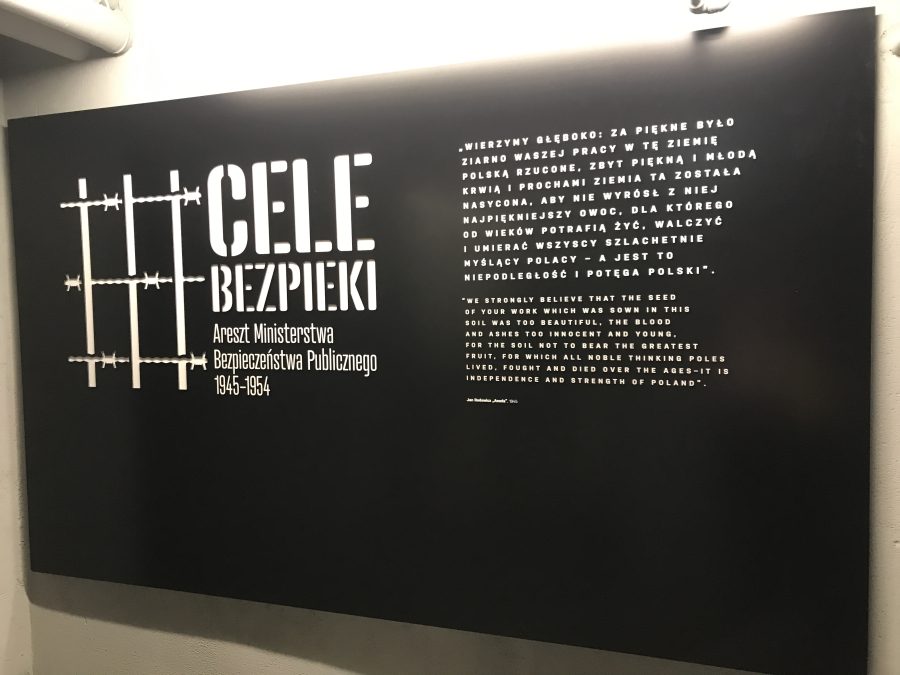
Beata Bruggeman-Sekowska Located in the basements of the Ministry of Justice at Al. Ujazdowskie 11 in Warsaw, the Cells of the Security Service (Cele Bezpieki) form an essential part of Poland’s historical narrative, highlighting the oppressive tactics used by the Communist regime in the aftermath of World War II. The exhibition, a branch of the […]

By Beata Bruggeman-Sekowska Patarei Prison, located in Tallinn, Estonia, holds a deeply painful place in the history of political repression. Originally built as a fortress in the 19th century, this imposing structure became infamous for its use as a prison by both Nazi and Soviet regimes. In particular, under Soviet occupation, it became a symbol […]

On March 11, Beata Bruggeman-Sekowska, Chair of the European Institute on Communist Oppression and Chief Editor of the Central and Eastern Europe Center, delivered an insightful lecture at Nichols College in Massachusetts, USA. Invited by Professor Oliver Olson, she presented on “Cultural Awareness in Global Business”, exploring the historic perspective, the impact of totalitarianism, and […]

By Patrick van Schie In the Soviet Union, according to official communist doctrine, the dictatorship of the proletariat reigned. However, this dictatorship never actually existed, wrote the dissident Moscow professor Michael Voslensky, who was well-acquainted with the ruling circles of the Soviet Union. The rule of communism certainly meant a dictatorship, but it was the […]

By Jack Twiss Quarles van Ufford. Ambassador of the Kingdom of the Netherlands in Vilnius, Lithuania Some exhibitions leave you behind with more questions than answers. And isn’t that what museums and art are supposed to do. To challenge your preconceptions about something and encourage you to question those. Not necessarily to change your […]
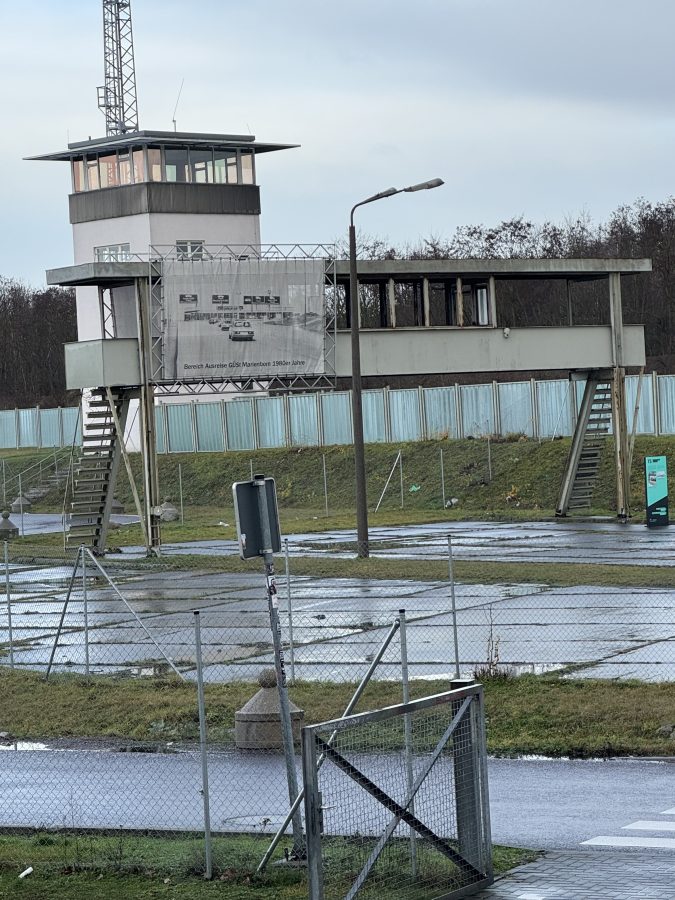
By Beata Bruggeman-Sekowska Nestled between the villages of Helmstedt in West Germany and Marienborn in East Germany, Checkpoint Alpha stood as one of the most iconic and critical symbols of the Cold War era. From 1945 to 1990, it served as the primary transit point for travelers crossing the inner German border, connecting West Germany […]
On December 16, Beata Bruggeman-Sekowska was a guest on Dutch Public Radio NPO1 for an in-depth, hour-long interview with Merel Wielaert. The discussion expanded on her earlier publication in the Dutch newspaper Trouw, titled “Georgia Also Fights for the Safety of Europe.” During the interview, Bruggeman-Sekowska delved into the historical context of Russian oppression behind […]
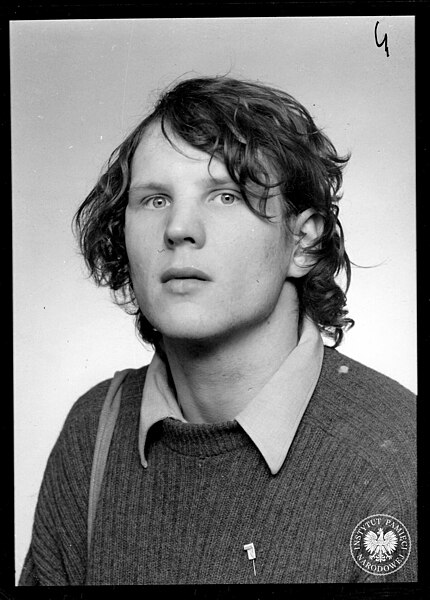
By Beata Bruggeman-Sekowska Grzegorz Przemyk (17 May 1964 – 14 May 1983) was an aspiring Polish poet whose untimely death became a powerful symbol of resistance against the Communist regime in Poland. His brutal killing at the hands of the Milicja Obywatelska (Citizens’ Militia) exposed the systemic violence and impunity of the communist authorities during […]
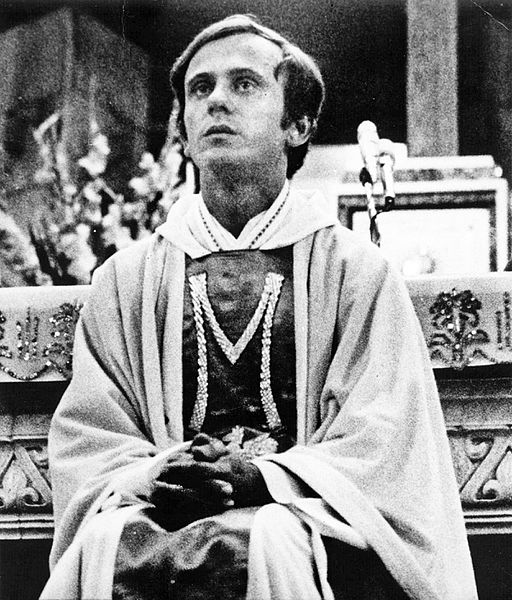
By Beata Bruggeman-Sekowska On October 19, 1984, Father Jerzy Popiełuszko, the chaplain of the Warsaw “Solidarity” movement and a human rights defender in the Polish People’s Republic, was brutally murdered by officers of the Security Service. His death shocked Poland and became a symbol of the repression inflicted by the communist regime on both the […]

The European Institute on Communist Oppression (EIOCO) is seeking a dedicated and proactive individual to join our Events and Communication Commission. In this role, you will actively participate in advising the EIOCO Board and helping to implement strategic decisions that align with our mission. As a member of the Events and Communication Commission, you will […]
 English
 Nederlands
Follow Us!